
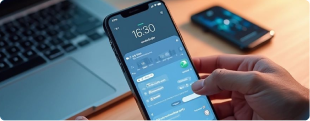
The Smartphone
A single device that combines computing, communication, photography, and design used by billions. Built through engineering, software, materials science, design, and human psychology.
Not a discipline. A convergence.

It needs people who can build what comes next.
Most universities prepare you for the world as it is. WPU GŌA prepares you to build the world as it isn’t yet.
Because the future won’t be shaped by those who fit into existing roles, but by those who can imagine, design, and create what doesn’t exist today.
The present is not divided into subjects.
It is made up of problems. Complex. Interconnected. Human. The kind that cannot be solved by a single discipline.
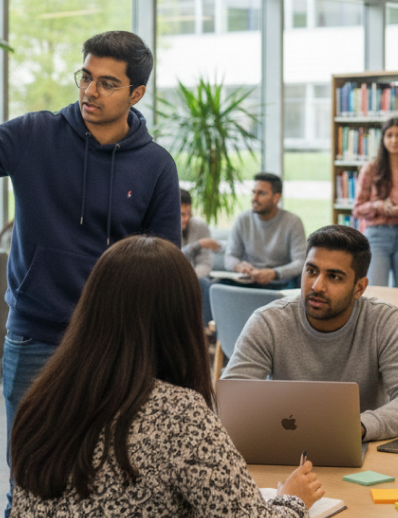





Solving them requires more than expertise. It requires the ability to connect.
This is what it means to be transdisciplinary. Not learning more subjects. But learning how to bring them together.
Eight dimensions of creation, each one a different frontier waiting to be shaped.
Build New ideas
Build New Systems
Build New Art, Design and Media
Build a New Self
Build New Technologies
Build New Futures
Build New Perspectives
Build New Careers
A single device that combines computing, communication, photography, and design used by billions. Built through engineering, software, materials science, design, and human psychology.
Not a discipline. A convergence.

How do you make money-transfer instant, secure, and usable by a vegetable vendor and a banker alike? This was built through banking systems, cybersecurity, mobile design, public infrastructure and behavioural trust.
Systems only work when people trust them.
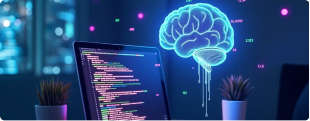
How do platforms understand what you might want to watch, read, or listen to next? This was built through AI, data science, storytelling and human behaviour.
Predicting choices is both technical and human.

Endless waits for taxis, high fares, and safety concerns point to inefficiencies in urban transport. Ride-sharing platforms like Uber and Ola respond by combining computer science, GPS engineering, behavioural psychology, business models, and intuitive design.
Millions now move safely and affordably every day. New technologies, new systems, and entirely new careers in mobility tech were built.

People had no easy way to understand their daily activity or stay motivated. Wearable fitness trackers such as Fitbit and Apple Watch respond by combining sensor engineering, data analytics, health sciences, industrial design, and motivational psychology.
Everyday people now build healthier habits. New technologies and new perspectives on self-care were created.

Families in slums or after disasters had nowhere safe to live. Student-designed modular shelters using local materials address this challenge.
By integrating architecture, materials science, cultural studies, engineering, and user-centred design, safe and dignified housing solutions can be created and widely adopted.
At WPU GŌA, students don’t just study concepts. They engage with problems that shape everyday life.
Problems you have experienced.
Problems you will inherit.
Problems you can solve.
Education rewards memory, not understanding. Solving this requires cognitive science, learning design, AI systems, and motivational psychology.
We wait for illness instead of preventing it. Solving this requires biology, data science, wearable tech, and behaviour change.
Students feel isolated or anxious despite being ‘connected’ all the time. Solving this requires wellness apps that combine clinical psychology, AI personalisation, engaging media design, community-building features.
Every system competes for your focus. Solving this requires neuroscience, media design, algorithms, and ethics.
Solving this requires industry integration, skill design, behavioural training, and new assessment systems.
Usability isn’t enough. Experience matters. Solving this requires UX design, behavioural psychology, data analysis, and product thinking.
Growth does not always mean better living. Solving this requires urban design, mobility systems, data infrastructure, and policy thinking.
We divide what should be combined. Solving this requires design, AI tools, media, and cultural understanding.
You sit in traffic for hours, losing time, energy, and productivity. Solving this requires AI-optimised smart signals, behavioural nudges (psychology) urban planning, mobile app design, real-time data systems.
At WPU GŌA, learning is not about absorbing information. It is about developing the ability to act.
Ask Better
Questions
Work Across
Disciplines
Build, Test, and
Iterate
Apply Knowledge
in Real Contexts
Collaborate with
Diverse Thinkers
Not just a graduate. A builder.
See connections others miss
Navigate complexity with clarity
Create new possibilities
Adapt continuously
Lead without waiting
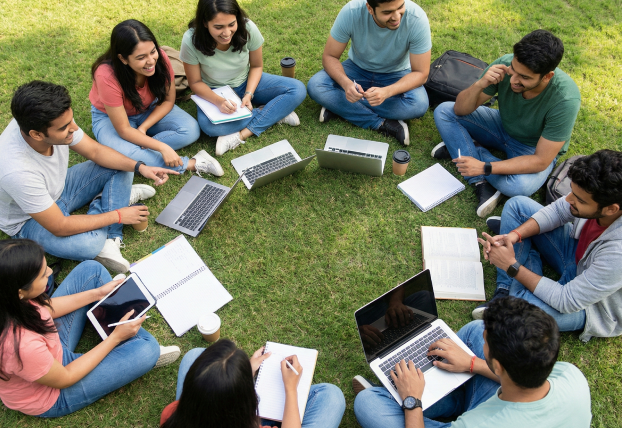
At WPU GŌA you don’t prepare for a job.
You prepare to Build What’s Next