01
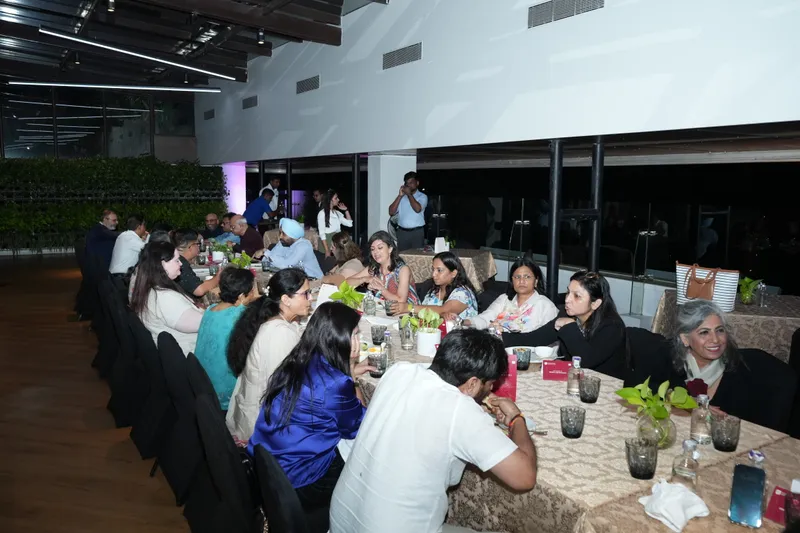
Networking dinner at Vivanta
On the eve of the programme, principals and educational leaders from IB World Schools across Asia met WPU GŌA’s leadership over dinner at Vivanta, Panaji.
27–28 October 2026 · Panaji, Goa · WPU GŌA Campus
Where school and university leaders meet - principals and directors of IB World Schools in conversation with higher-education leaders, linking secondary education and higher education
The programme
The first day was for listening across the school–university divide. The second was for designing what comes next.
About the programme
On 27 and 28 October 2026, WPU GŌA, the new university being built in Goa by the MIT-WPU MAEER Group, hosted Transdisciplinary Pathways to Peace and Sustainability: Linking Secondary and Higher Education. Principals and educational leaders of IB World Schools in Asia joined university leaders, academics and faculty at Vivanta, Panaji, and at the WPU GŌA campus site in Thivim.
“Peace, justice and intercultural understanding are not additions to sustainability; they are among the conditions that make sustainability possible.”Central proposition of the Lead Address, Prof. Priyankar Upadhyaya
Highlights
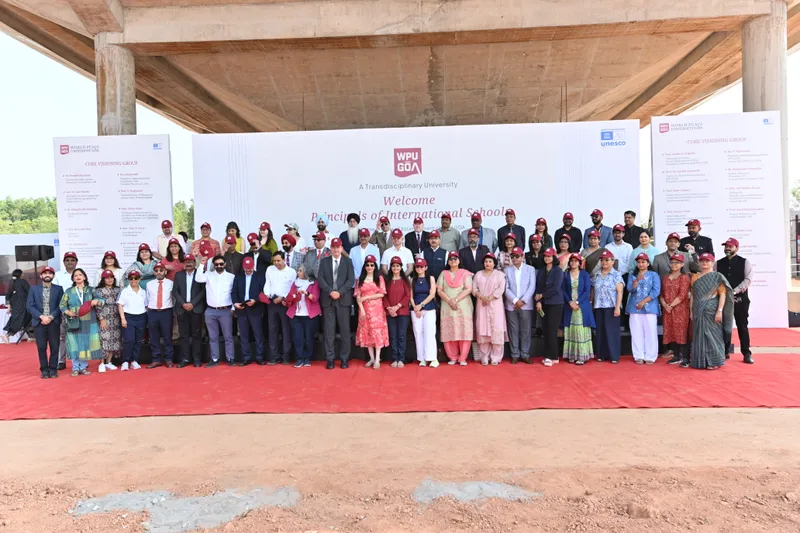
On the eve of the programme, principals and educational leaders from IB World Schools across Asia met WPU GŌA’s leadership over dinner at Vivanta, Panaji.
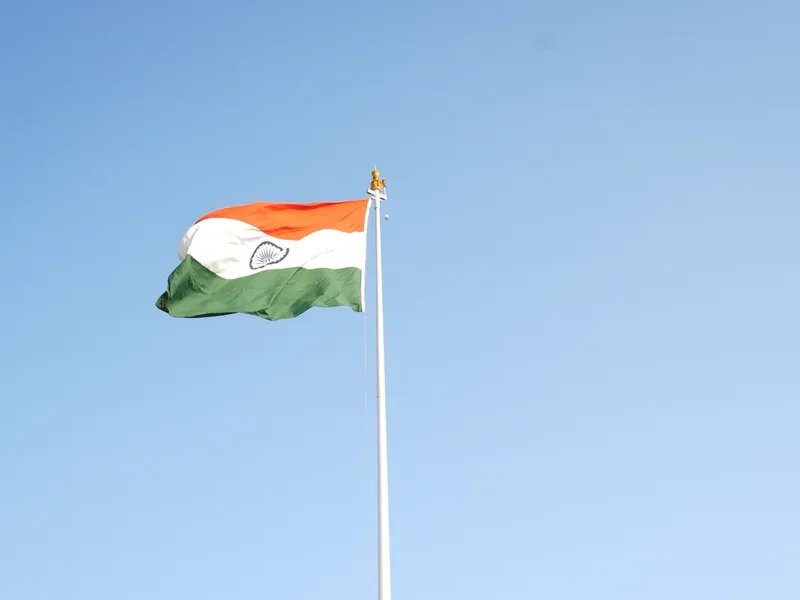
Delegates visited the WPU GŌA campus site at Thivim for tree plantation and National Anthem, led by Dr. Suman Devadula and Mr. Narendra Tappa. A second group of principals visited on the morning of 28 October.
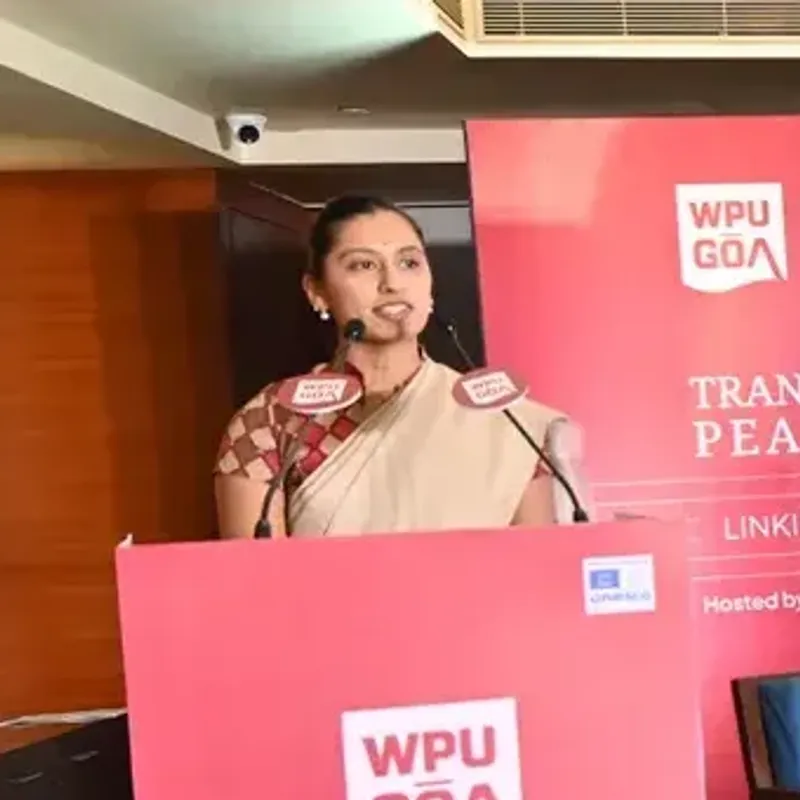
Ms. Gayatri Karad opened the programme and welcomed principals, educational leaders and guests to Transdisciplinary Pathways to Peace and Sustainability.
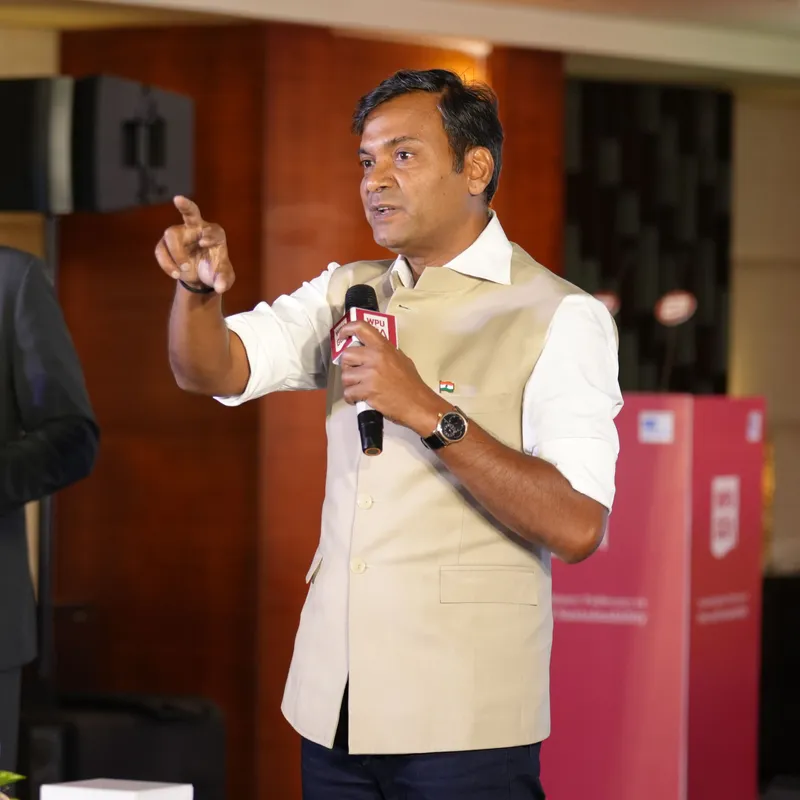
Dr. Rahul V. Karad, Managing Trustee, MAEER’s MIT Group of Institutions, shared the vision for WPU GŌA: a transdisciplinary university dedicated to peace and sustainability, where school and university leaders work together on the future of learning.
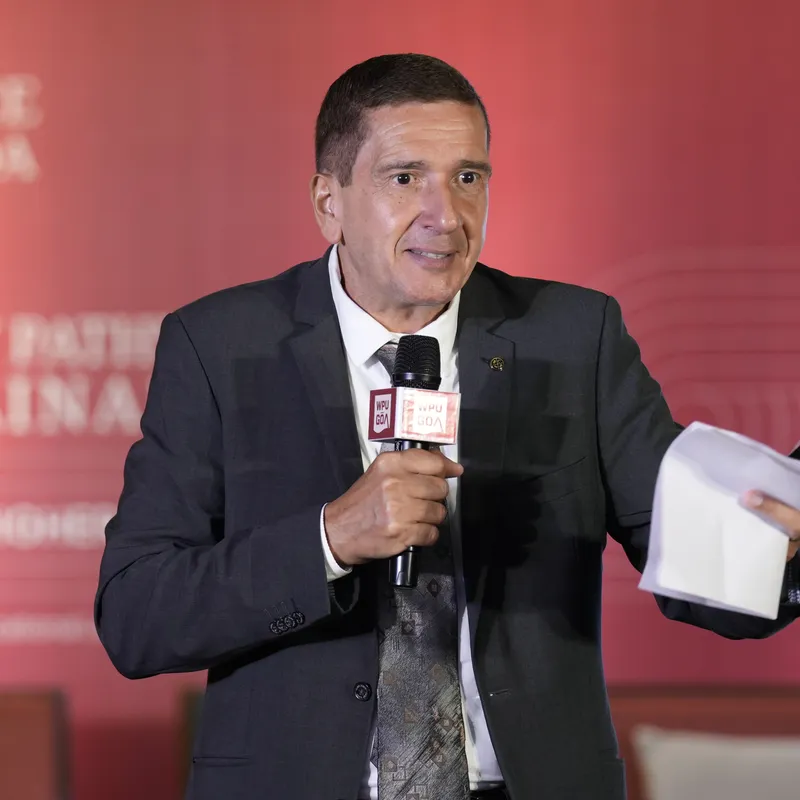
Prof. Walter Leal, Honorary Vice Chancellor, WPU GŌA, set the context on the continuum from IB to higher education. Ms. Stefanie Leong spoke virtually, and Dr. Melissa Maria’s keynote traced the path from the IB vision to higher education.
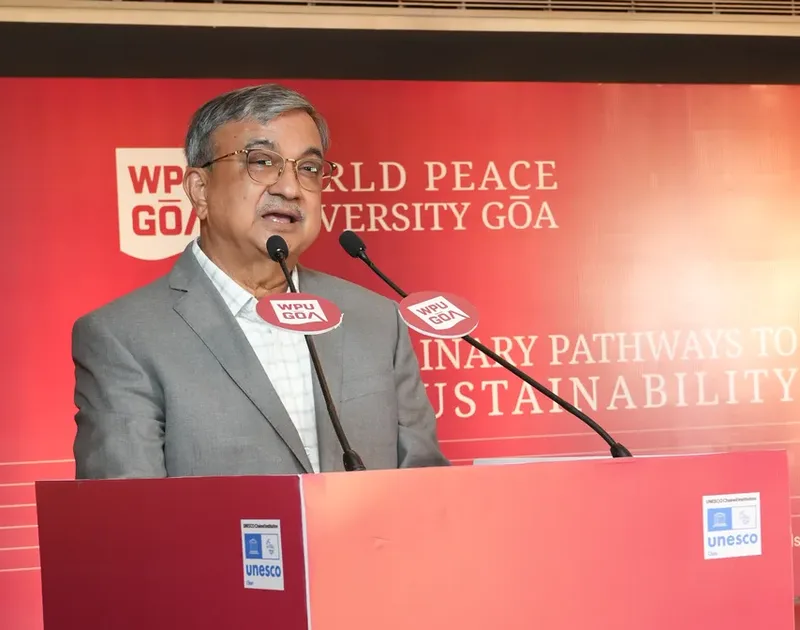
Prof. Priyankar Upadhyaya, UNESCO Chair for Peace and Intercultural Understanding, drew on UNESCO’s call for a new social contract for education. His central point: peace, justice and intercultural understanding are among the conditions that make sustainability possible.
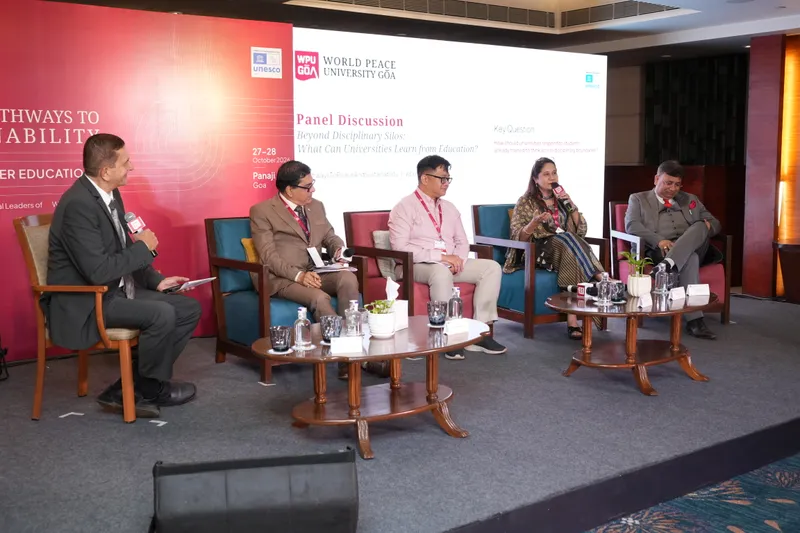
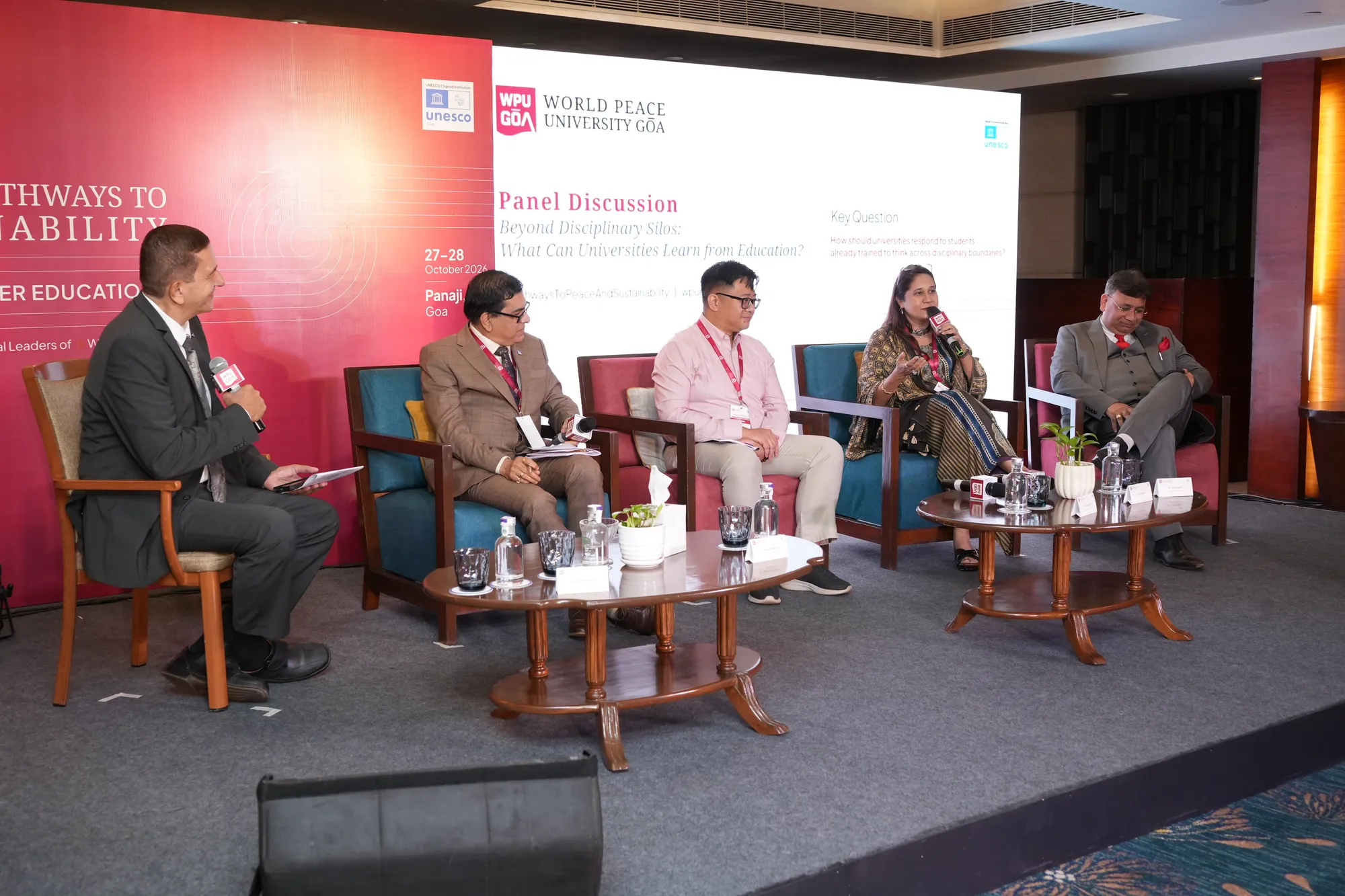
IB principals, university leaders and faculty asked what universities can learn from IB education, and how they should respond to students already trained to think across disciplines.
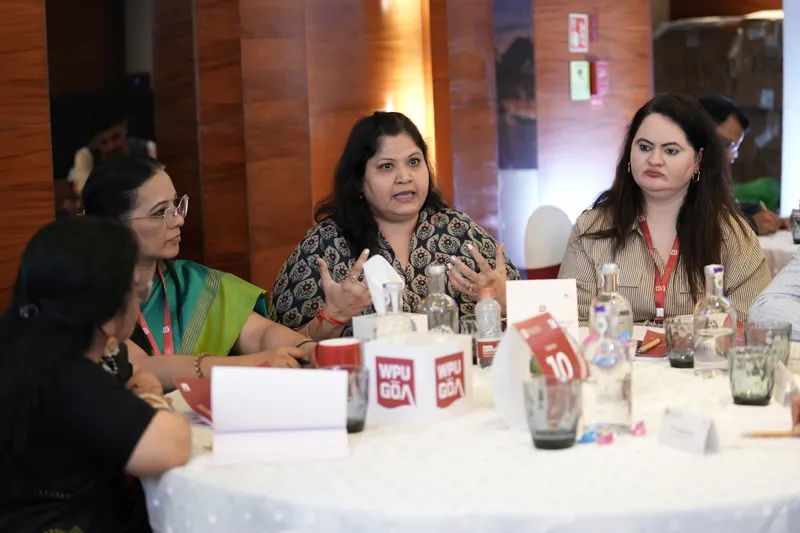
In facilitated table discussions on six themes, participants named the key gaps between school and university, and the practical openings for working together.
Day one closed with a Goan cruise and dinner, where the conversations from the hall carried on into the evening.
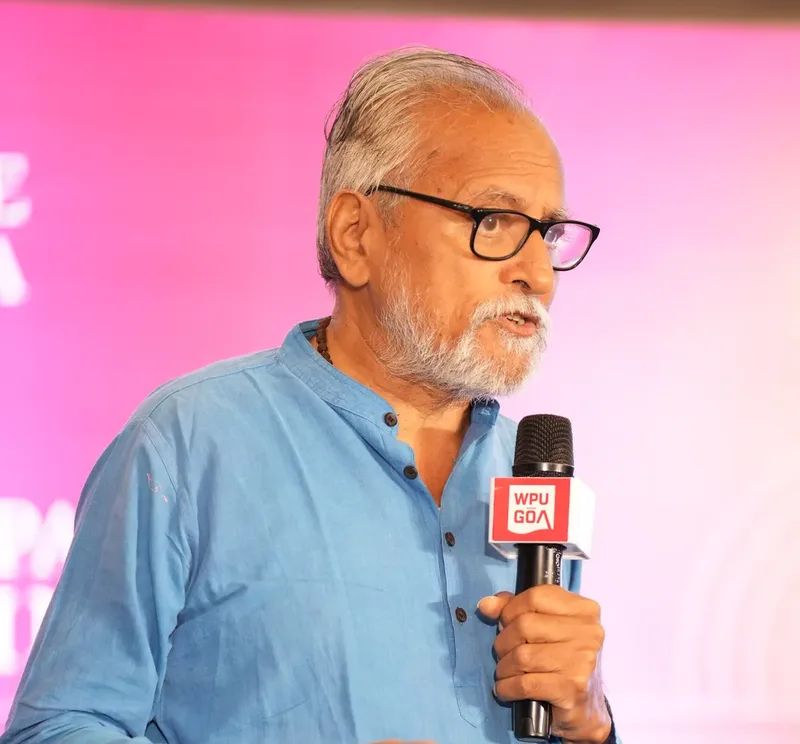
On 28 October, Prof. Walter Leal spoke on reimagining higher education for a sustainable future, and Prof. Anil K. Gupta, Padma Shri and Founder of the Honey Bee Network, gave an address. Cross-institutional teams then designed and presented prototype school–university partnerships.
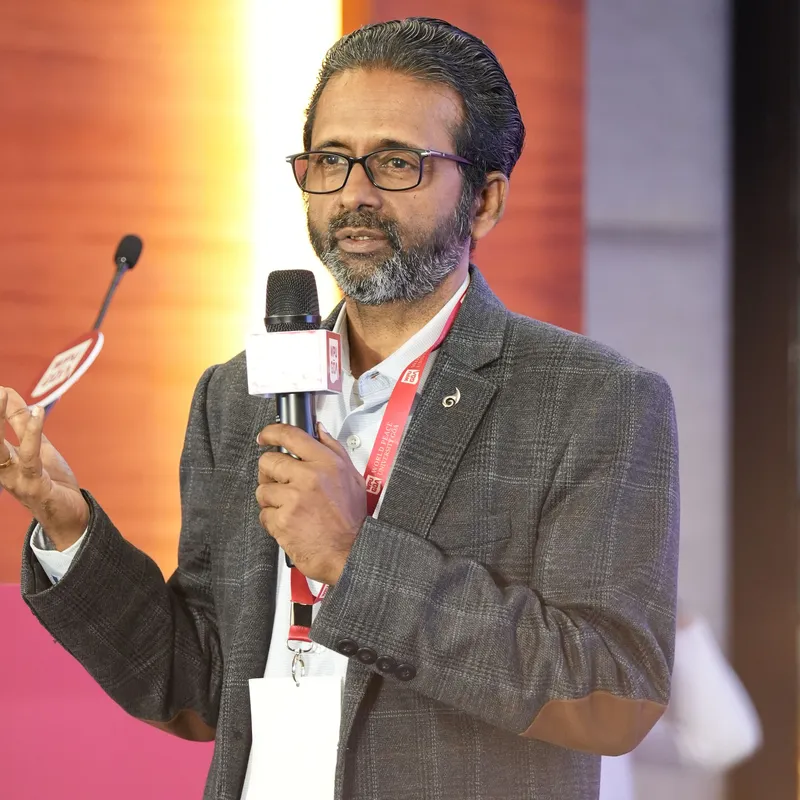
Prof. Arvind Sahay, Director, MDI Gurgaon, addressed the gathering on the final day, adding a management-education perspective to the conversation between schools and universities.
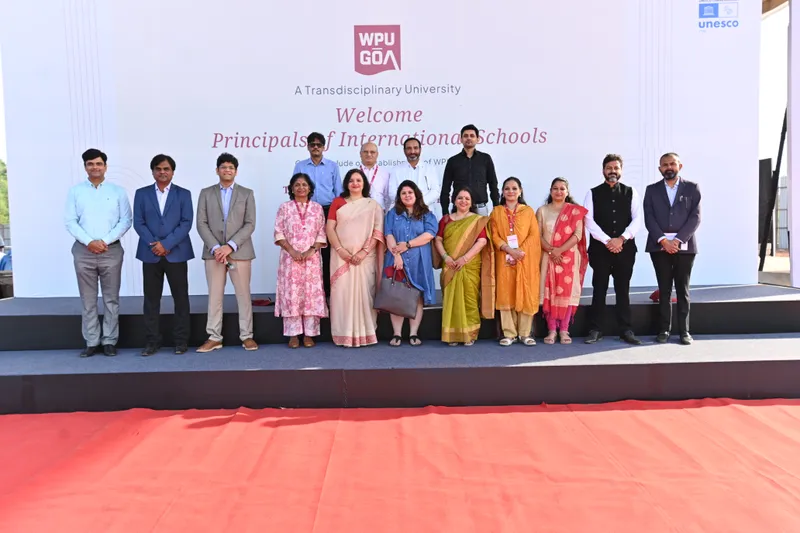
The draft Goa Statement on Transdisciplinary Education for Peace and Sustainable Futures was presented, bringing together the ideas from two days of discussion into a shared commitment.
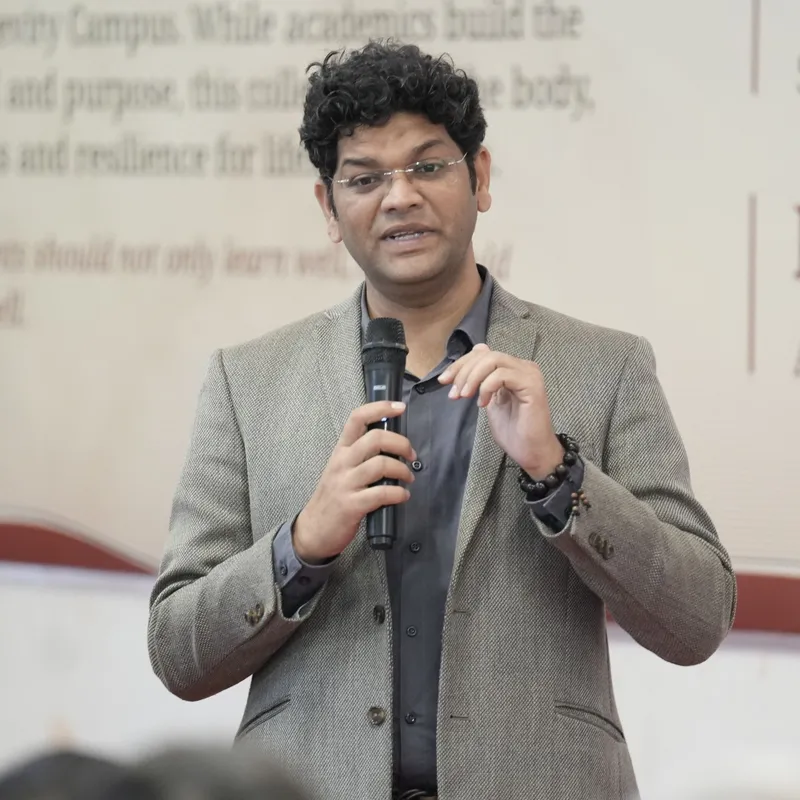
Dr. Suman Devadula delivered the closing remarks, thanking the principals and educational leaders for their participation. Certificates were presented to the participants as the programme came to a close.
What we worked on
The World Café looked for gaps between school and university. The Action Workshop turned them into partnership models.
The outcome
On Transdisciplinary Education for Peace and Sustainable Futures
The Goa Statement brings together what principals, university leaders and faculty explored over two days. Inquiry-led, transdisciplinary learning should not stop at the school gate. Schools and universities can work as partners so that students keep learning across disciplines, cultures and borders as they move into higher education.
It draws on the Lead Address, the panel on what universities can learn from IB education, the six World Café themes and the partnership prototypes from the Action Workshop. It also builds on UNESCO’s call for a new social contract for education.
The draft was presented to participants on 28 October 2026 and is built around seven themes.
Learning built around real problems rather than single subjects, so that students keep connecting knowledge across disciplines from school to university.
Education that shapes values, agency and purpose, as well as knowledge, and changes how students see themselves and the world.
Respect for different cultures, languages and worldviews as a foundation for learning and working together.
Classrooms and campuses as places where dialogue, empathy and non-violent problem-solving are practised every day.
Preparing students to act responsibly for the planet, with peace and justice as conditions for a sustainable future.
Helping students see themselves as members of both local and global communities, with responsibilities to each.
Bridge programmes, joint projects and teacher–faculty exchange, so that the move from school to university is a continuum, not a break.
Voices
Gallery
From the opening addresses to the World Café tables and the campus visit, a look back at the leaders, ideas and moments that shaped the conference. View the full event album →
Were you there?
Every photograph from the two days is in the full event album on Premagic. Open the album to find the moments you were part of, then download and share them.
Want to build a school–university partnership,
or help a student plan the move to university? Talk to us.