WPU GŌA
B.Sc (Hons.) in Film, Media and Communications

B.Sc (Hons.) in Film, Media and Communications

How do integrated stories shape the way societies think, feel, and act?

How do we create responsible, creative, and technically skilled media for a world transformed by digital disruption, global narratives, and rapidly shifting communication ecosystems?

The B.Sc. (Hons.) in Film, Media and Communication at WPU GŌA prepares students for the dynamic and fast-evolving world of media through a curriculum that blends academic learning with real-world practice, immersion, and research. In a landscape shaped by rapid technological change, attention economies, global networks, and immersive media realities, future media professionals must communicate with clarity, analyse with depth, and produce content that is ethical, impactful, and culturally aware (e.g., transparent, not polarising, etc.).

The programme integrates foundational learning with hands-on training to help students understand not only the craft of storytelling, but also the systems, technologies, and behaviours that shape contemporary media. Courses in mass communication theory, media history, writing, aesthetics, and communication analysis build a strong intellectual foundation. Intensive studio practice in photography, graphic design, radio, television, and digital production develops technical capability and creative fluency. Research-driven assignments, media law education, and ethical training ensure that students become responsible communicators who can navigate complex media landscapes.

Students begin with foundational courses on the evolution of mass communication, communication theories, media systems, cultural analysis, and writing for multiple platforms. They explore how media shapes identities and influences public opinion, and how communication functions across journalism, entertainment, digital platforms, and civic life. Early semesters also strengthen skills in news writing, visual storytelling, narrative construction, and media critique.

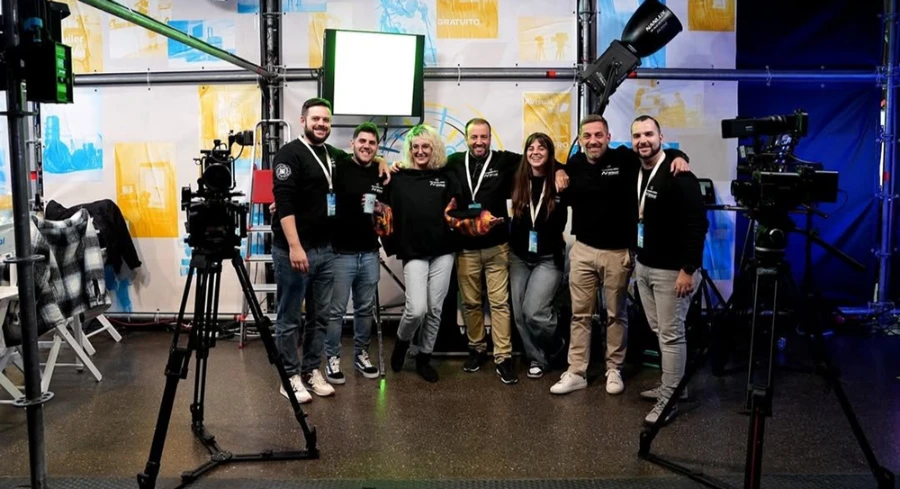
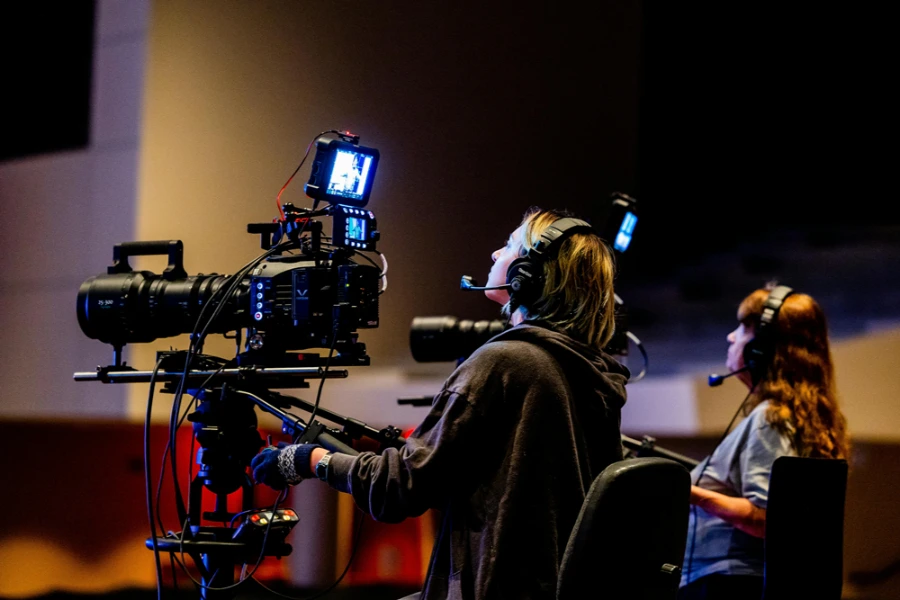
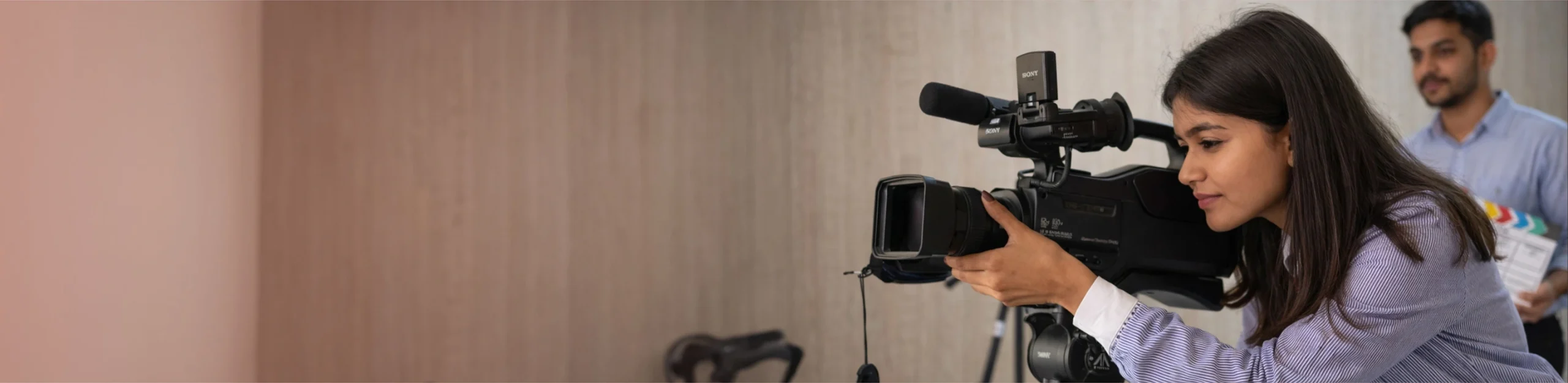
As students advance, they receive deep practical exposure through photography labs, design studios, radio production facilities, television production spaces, and digital media tools. They learn scripting, editing, camera handling, sound recording, graphics, and post-production workflows that align with professional industry standards.

Students will be taught by faculty who are researchers, technologists, media professionals, and media strategists, many connected to WPU's Centres of Excellence and Research Institutes; including institutes focused on AI for Society, Environmental Resilience, Innovation & Technology, and Human-Machine Interaction. Their real-world projects, field research, industry consulting, and cutting-edge academic work directly inform classroom teaching. You will learn not just the 'how' of communication and story-telling, but the 'why' behind responsible, ethical and engaging communication and media.

What Will You Learn?

What Will You Learn?

Overall Learning

Students develop strong communication skills, visual literacy, storytelling capability, research competence, and technical proficiency across multiple media forms. They learn to write for news and features, design for print and digital platforms, produce audio and video content, analyse public narratives, and understand the cultural and political implications of media.

Technical training prepares them to operate cameras, audio equipment, editing software, and design tools. They learn how to conceptualise, script, direct, and edit content while applying theoretical and ethical frameworks. The Programme also develops interdisciplinary skills in design thinking, collaborative teamwork, data interpretation, and critical analysis that support careers in creative, corporate, and civic sectors.

Programme Structure

1st Year, Semester 1

Focus: Common Core + Film & Media Foundation. Students develop media literacy, visual thinking, storytelling foundations, and writing skills for analytical and creative media work.

  • Writing & Rhetoric I (4 credits)
  • Fundamentals of Visual Communication (4 credits)
  • Media Finance & Distribution (4 credits)
  • Digital Literacy & Media Tools (4 credits)
  • Introduction to Media & Communication (4 credits)

1st Year, Semester 2

Focus: Students study cinema language, media history, and ethical media practice while developing analytical and production awareness.

  • Global Media Systems (4 credits)
  • Film Language & Aesthetics (4 credits)
  • Digital Methods for Media Research (4 credits)
  • Media Ethics & Law (4 credits)
  • History of Cinema & Media Technologies (4 credits)

2nd Year, Semester 3

Focus: Integrated Theory + Production Core. Students begin structured production and media analysis while engaging visual storytelling practices.

  • Communication Theory (4 credits)
  • Digital Methods for Media Research (4 credits)
  • Audio-Visual Production I (4 credits)
  • Writing in the Disciplines: Media Analysis (4 credits)
  • Photography & Visual Storytelling (4 credits)

2nd Year, Semester 4

Focus: Students integrate narrative writing, editing, representation theory, and digital media environments.

  • Screenwriting & Narrative Structures/Serial Storytelling (4 credits)
  • Documentary & Non-Fiction Media (4 credits)
  • Video Editing & Post-Production (4 credits)
  • AI Literacy & Responsible Technology (4 credits)
  • Media, Power & Representation (4 credits)

3rd Year, Semester 5

Focus: Advanced Core + Specialisation Begins. Students move into platform-based media systems and advanced production formats.

  • Advanced Film Production (4 credits)
  • Sound Design & Audio Production (4 credits)
  • Television & Streaming Media (4 credits)
  • Communication, Collaboration & Leadership (4 credits)
  • Media Industries & Cultural Economy (4 credits)

3rd Year, Semester 6

Focus: Students integrate media strategy, analytics, and emerging technologies.

  • Strategic Communication & Public Engagement (4 credits)
  • Within-Domain Specialisation I (4 credits)
  • Data, Media & Audiences (4 credits)
  • Planning, Execution & Project Management (4 credits)
  • New Media & Emerging Technologies (4 credits)

4th Year, Semester 7

Focus: Specialisation + Cross-Domain + Capstone. Students deepen focus and collaborate across media and design studios.

  • Within-Domain Specialisation II (4 credits)
  • Cross-Domain Specialisation I (4 credits)
  • Within-Domain Specialisation III (4 credits)
  • Cross-Domain Specialisation II (4 credits)
  • Directed Elective I (4 credits)

4th Year, Semester 8

Focus: Students execute a major media project film, streaming series, documentary, transmedia system, or research thesis potentially co-developed with design students.

  • Capstone Research Project (12 credits)
  • Directed Elective II (4 credits)
  • Cross-Domain Specialisation II (4 credits)

*The courses listed are indicative and subject to change.

Directed Electives

Students choose 2 (8 Credits).

  • Advanced Cinematography & Lighting Design
  • Editing Theory & Advanced Post-Production
  • Directing for Performance & Screen Acting
  • Production Design & Art Direction
  • Motion Graphics & Time-Based Media
  • Podcasting & Audio Journalism
  • AR/VR & Immersive Media Production
  • Branding & Campaign Communication.

*The courses listed are indicative and subject to change.

Cross Domain Specialisation Options

Students choose one of the following curated pathways from another domain or design their own cross-domain specialization under supervision from an academic advisor.

  • Computational Thinking & Creative Coding — Engineering
  • Behavioural & Cognitive Psychology — Humanities
  • Entrepreneurship in Creative Industries — Business
  • Media Production & Digital Content Creation — Media Cluster

Specialisations

Within-Domain Specialisations

Students choose one.

1

Film Direction & Cinematic Practice

Cinematography, Directing, Production Design, Advanced Editing

2

Media, Culture & Society

Critical Media Theory, Political Communication, Identity & Representation, Global Media Systems

3

Digital & Platform Media

Social Media Ecosystems, Interactive Storytelling, Media Entrepreneurship, OTT & Streaming Economies

Career Directions

Students choose from three specialised pathways that allow them to cultivate depth in domains shaping the future of economic practice.

Journalism & Multimedia Reporting

This specialisation prepares students for careers in journalism, investigative reporting, multi-platform news production, and factual storytelling. They develop skills in news writing, field reporting, digital verification, podcast journalism, ethics, and long-form narrative. Career roles include: Journalist/Reporter, Multimedia Correspondent, Photojournalist, Documentary Researcher, Digital Verification Specialist. In India, journalism is evolving rapidly, with digital newsrooms, independent media, data-driven journalism, and regional platforms expanding significantly. Students skilled in multimedia reporting have strong opportunities in both traditional and digital-first newsrooms.

Digital Media Production & Storytelling

This specialisation focuses on audio-visual communication across video, podcasting, short films, social media content, animation, and multimedia storytelling. Students learn scripting, cinematography, editing, sound design, and content strategy, developing strong storytelling instincts supported by technical skill. Career roles include: Video Producer, Content Creator, Digital Storyteller, YouTube Strategist, Multimedia Producer and Motion Designer. With India's boom in OTT platforms, digital advertising, creator economy, and short-format storytelling, graduates can work with production houses, news platforms, creative agencies, and independent content studios. Globally, opportunities exist in entertainment companies, digital media firms, documentaries, educational media, and global content platforms. The ability to merge storytelling craft with digital production tools makes students ready for the future of content ecosystems.

Media Strategy & Brand Communication

This track prepares students to create communication strategies for brands, public campaigns, and organisational storytelling. They develop expertise in advertising, brand management, PR strategy, social media ecosystems, audience analytics, and consumer behaviour. Students also understand how communication shapes perception, trust, and engagement. Career roles include: Brand Strategist, Communication Specialist, Digital Marketing Planner, PR Executive, Social Media Manager and Campaign Designer. Indian brands across e-commerce, fintech, hospitality, FMCG, lifestyle, and entertainment rely heavily on strategic communication to differentiate themselves. Internationally, graduates can work in branding agencies, digital marketing firms, creative consultancies, and global brands with multi-market communication needs. The field offers high mobility and creative leadership opportunities.

The Four-Year Immersion Journey

1st Year: Foundations of Media and International Immersion

1st Year: Foundations of Media and International Immersion

Students begin with foundational media courses and early exposure to newsrooms, studios, community settings, and cultural spaces. Through an international immersion to European countries, students will engage with various cultures, philosophies, global industries and organisations, to widen their understanding on how communication is used in different parts of the world, and what discourses dominate the media in various contexts.

2nd Year: Social Immersion and Community-Centered Communication

2nd Year: Social Immersion and Community-Centered Communication

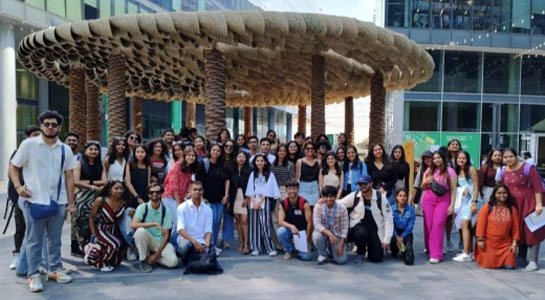
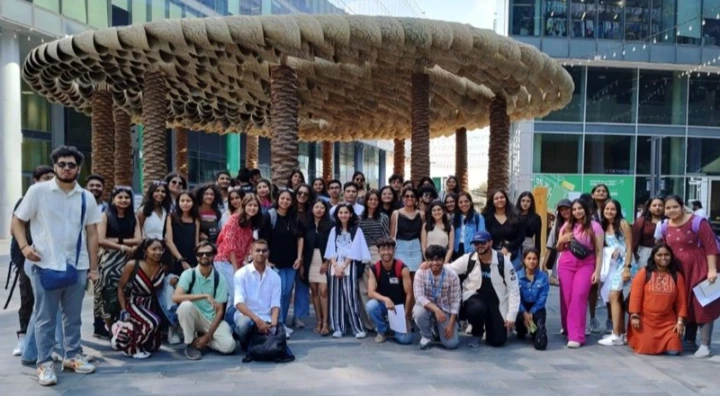
Students undertake a Social Immersion to understand how communication affects education, development, health, environment, and civic engagement. Working with NGOs, local communities, or social campaigns, they collaboratively design communication solutions that address real social challenges. This immersion strengthens ethical awareness, communication sensitivity, and cultural understanding. They also spend one week at the Life Transformation Centre (LTC), developing their ethical lens, leadership skills, and reflective clarity, and undertake a Pune industrial visit to observe real-world production environments.

3rd Year: Industry Immersion and Professional Media Practice

3rd Year: Industry Immersion and Professional Media Practice

Students engage with media houses, production studios, digital agencies, advertising firms, or corporate communication teams through structured projects and short-term internships. They experience editorial processes, production cycles, content strategies, and audience engagement methods. This industry immersion builds confidence, technical readiness, and professional maturity. The National Immersion at a leading institution connected with media deepens exposure to cutting-edge developments. The Dubai trade show introduces them to global market trends. Their 12-week industry internship becomes the foundation for Grand Challenge Studio II, where they turn insights into working prototypes.

4th Year: Internship and Capstone Work

4th Year: Internship and Capstone Work

In the final phase, students undertake a full-length industry internship or advanced transdisciplinary capstone project where they integrate their knowledge and transdisciplinary skills. They work on a project that integrates research, creativity, and applied communication strategies. Students may undertake a semester exchange with a partner university abroad, focusing on AI research, advanced computing, HCI, robotics, or computational sciences. The Active Citizenship Program provides a direct understanding of governance, digital policy, regulatory frameworks, and civic-tech.

Highlights

1

Transdisciplinary Media Activation

A curriculum built on blending storytelling, media production, analytics, design, and strategy enabling students to create, interpret and innovate across platforms and formats.

2

Industry-Aligned Digital & Content Creation Labs

Hands-on labs where students produce real media content such as video, podcasts, social campaigns, interactive media, brand content, and digital storytelling.

3

Strategic Communication & Media Analytics

Focus on data-informed communication, that is analytics, audience insights, media impact measurement, social data mining, and strategic planning for real campaigns.

4

Real-World Industry Engagement & Live Projects

Structured partnerships with media houses, brands, NGOs, and technology platforms enable live briefs, internships, mentorships, and collaborative projects embedded within the curriculum.

5

Narrative Strategy & Creative Storytelling

The curriculum emphasises storytelling craft across media, brands, social impact, gaming, and interactive spaces, enabling students to excel in narrative strategy within contemporary communication ecosystems.

6

Professional Portfolio & Career Launch Pathway

Students graduate with industry-ready portfolios like shows, reels, campaigns, published work, strategic media plans and career support systems that lead to placements in media, entertainment, advertising and corporate communication.

7

Entrepreneurship & Media Venture Startups

Support for media entrepreneurship, including venture labs for media startups, creative business incubation, and mentorship pathways for media innovators.

8

Data-Driven Storytelling

Students learn to produce data-backed, verifiable journalism and multimedia storytelling grounded in research, transparency, and ethical rigor.

9

Multi-Platform Narrative Architecture

Students design narrative systems that operate across print, digital, motion, immersive, and social environments, developing an understanding of distribution that is as deep as their understanding of production.

10

Strategic Communication & Media Leadership

The programme prepares students not only to create media, but also to lead communication strategies, from audience insight to campaign architecture to impact evaluation.

The Future

The Future

The future of media is shaped by growing complexity, artificial intelligence (AI), immersive storytelling, political polarisation and fragmentation, and rapidly shifting audience needs and behavioural patterns. Professionals must navigate misinformation, ethical dilemmas, globalised narratives, and evolving economic models in an increasingly interconnected world.

Explore and Experience Learning in Goa

Discover a learning journey in Goa that blends rigorous academics with hands-on projects, collaboration, and inspiration from nature.

Explore and Experience Learning in Goa

Be a Part of WPU GŌA

Please fill out the form, and our team will get in touch with you!

Enquire Now